
surah ta ha pdf
Category : PDF
Surah Ta‑Ha PDF offers clear Arabic script, Tajweed marks, and accurate English translation. Downloading from reputable sites like Quran.com or the Internet Archive ensures authenticity. The 135‑verse chapter emphasizes monotheism, prophetic guidance, and patience,. Download now for free. and enjoy today!!!
Meaning of “Ta‑Ha” and its linguistic background
The opening letters “Ta‑Ha” (طٰهٰ) are among the Qur’an’s muqattaʿat, a series of disconnected Arabic consonants that appear at the start of fifteen chapters. Scholars agree that these letters are not lexical words but serve as a divine hallmark, inviting the listener to pause before the revelation unfolds. The two characters consist of the consonants ṭāʾ (ط) and hāʾ (ه); when spoken together they produce a resonant sound that early exegetes linked to the prophet Moses, whose story dominates this surah; Linguistically, muqattaʿat function as a stylistic device, emphasizing the Qur’an’s miraculous nature beyond ordinary language. Some classical commentaries, such as those of Ibn Katheer and Al‑Qurtubi, suggest that “Ta‑Ha” may allude to the phrase “ṭayyibun ḥaḍar” (goodness present) or symbolize purification of the heart, though these readings remain speculative. Historical Kufic manuscripts often render the letters with elaborate calligraphy, highlighting their visual importance alongside the oral tradition. Modern digital editions, especially high‑quality PDFs, preserve the exact Unicode points U+0637 for ط and U+0647 for ه, ensuring that the script appears correctly on any device. This meticulous attention to orthography reflects a broader commitment to maintain the integrity of the sacred text in both printed and electronic formats.Scholars also note that the visual symmetry of “Ta‑Ha” mirrors the balance between revelation and understanding, inviting continuous contemplation.
Placement in the Qur’an (Juz 16, Chapter 20)
Surah Ta‑Ha, the twentieth chapter of the Qur’an, is situated in Juz 16, the sixteenth of the thirty equal sections used for daily recitation. The surah spans 135 verses, beginning with the muqattaʿat “Ta‑Ha” and concluding with a powerful reminder of divine mercy. In the canonical order, it follows Surah Al‑Anbiya (Chapter 21) and precedes Surah Al‑Hajj (Chapter 22). Its placement in Juz 16 places it near the middle of the Qur’an, a strategic position that allows readers to encounter the themes of prophetic guidance and monotheism after the initial revelations of the early surahs and before the concluding chapters that emphasize final judgment. Scholars note that the Juz division, established during the reign of Caliph Uthman, was designed to facilitate systematic study and memorization; thus, Surah Ta‑Ha’s location ensures that its narrative of Prophet Moses and the burning bush is encountered at a point where the reader has already absorbed foundational legal and theological concepts. Digital PDF editions often highlight the Juz number and chapter title in the header, aiding navigation for both scholars and casual readers. The surah’s presence in Juz 16 also aligns with the thematic progression of the Qur’an, moving from the early stories of prophets to the later exhortations to faith and obedience. This placement guides readers through a journey spiritual This placement guides readers through a journey spiritual PDF users enjoy audio and Tafsir links that deepen understanding for all now!
Key Themes and Narrative Highlights
Surah Ta-Ha PDF highlights the 135-verse narrative of Moses at the burning bush, the affirmation of Tawhid, and divine guidance for the Prophet Muhammad. It stresses patience, perseverance, and total reliance on Allah, offering readers spiritual insight. today!!
Story of Prophet Moses and the burning bush
Surah Ta-Ha PDF presents the classic Quranic episode where Allah calls Moses (Musa) from the solitude of Mount Tur to a miraculous flame that blazes without consuming the bush. The verse-by-verse rendering in the PDF shows the Arabic text with precise Tajweed symbols, an English translation, and a line-by-line transliteration, allowing readers to follow the dialogue as it unfolds. In the narrative, the burning bush appears as a radiant sign, and Allah’s voice commands, “O Moses, I am your Lord; remove your sandals, for you stand on holy ground.” Moses, startled, asks for a sign, and the staff becomes a serpent, then returns to a rod, confirming divine authority. The PDF notes the subsequent mission: Moses is instructed to return to Egypt, confront Pharaoh, and demand the release of the Children of Israel. Throughout, the text emphasizes the themes of revelation, obedience, and the reassurance that Allah supports the chosen messenger. By providing clear visual cues and scholarly footnotes, the PDF helps modern readers experience the timeless encounter, appreciate the linguistic beauty of the original Arabic, and understand the spiritual lessons embedded in this pivotal moment of prophetic history. The PDF file spans ten pages, each preserving the original calligraphy and bearing the archive identifier (ark:/13960/t51h18z59). Its OCR, powered by Tesseract 5.0.0‑alpha, records Arabic with high confidence, making the document reliable scholarly notes, ensuring authenticity for study and reflection.

Core message of Tawhid and guidance for the Prophet Muhammad
Surah Ta‑Ha PDF emphasizes the pure monotheistic creed (Tawhid) that Allah alone is worthy of worship, a theme that recurs throughout the 135 verses of this twentieth chapter. The PDF presents the Arabic text with precise Tajweed symbols, an accurate English translation, and a line‑by‑line transliteration, allowing readers to see how the verses repeatedly affirm that “There is no deity except Him” and that all power, knowledge, and mercy belong solely to the One Creator. In the same document, scholars note that the Surah addresses the Prophet Muhammad directly, offering reassurance that the same divine support granted to Moses at the burning bush is extended to the final messenger. The guidance includes patience in the face of opposition, reliance on divine assistance, and the promise that the Qur’an itself is a clear sign for those who reflect. The PDF’s metadata, such as the Internet Archive identifier ark:/13960/t51h18z59 and the OCR confidence of 1.0000, guarantees that the script is authentic and that the translation reflects the original meaning without distortion. By providing a trustworthy digital copy, the PDF enables students and believers to study the core message of Tawhid, internalize the prophetic guidance, and apply its timeless principles in daily life, confident that the source respects copyright and scholarly standards. It is advisable to credit the archive, honor the copyright terms, and cross‑check the verses with a printed Mushaf for deep study.
Surah Ta‑Ha PDF offers a clear, accurate rendering of the 135‑verse chapter, complete with Tajweed marks and a faithful English translation. The digital copy emphasizes the core theme of Tawhid, reminding readers that Allah alone is worthy of worship. It also highlights the prophetic guidance given to Muhammad, echoing the support that Moses received at the burning bush. The PDF stresses patience, perseverance, and reliance on Allah, showing that steadfast faith yields divine reward. Scholars note that the Surah repeatedly calls believers to endure hardship, trust in God’s plan, and remember the promise of paradise. The document’s transliteration aids memorization, while the translation clarifies the repeated refrain “Indeed, We will bring you a sign.” By studying this PDF, believers can internalize lessons on patience, perseverance, and reliance on Allah, and apply them to daily life, confident that the Qur’an’s guidance remains timeless.Furthermore, the PDF includes a concise commentary that links the verses to contemporary issues, illustrating how the principles of justice, humility, and gratitude remain relevant. It encourages readers to reflect on the Qur’an’s timeless guidance and to apply its teachings in daily interactions, fostering a sense of community and compassion. The digital format allows easy navigation, bookmarking, and sharing, making it a practical tool for study circles, classrooms, and personal devotion. Its interface supports audio recitations, enhancing accessibility for all.!!
Essential Features of a High‑Quality Surah Ta‑Ha PDF
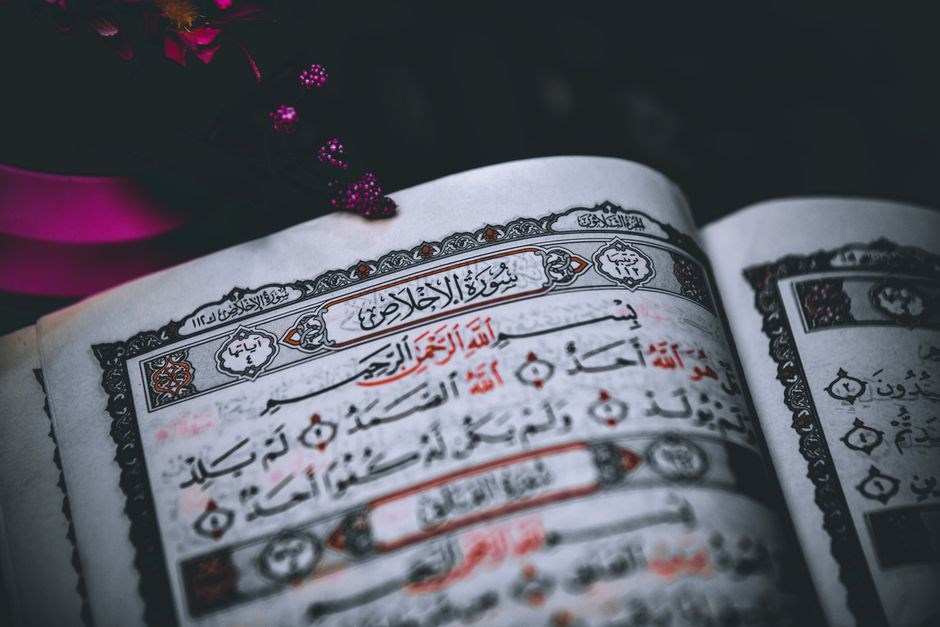
A high‑quality Surah Ta‑Ha PDF features clear Arabic script with accurate Tajweed symbols, a reliable transliteration, and a trustworthy English translation. It includes page numbers, a consistent layout, and is free from errors, ensuring a smooth reading and memorization experience. Ideal for scholars and students.
Clear Arabic script with proper Tajweed symbols
When you download a Surah Ta‑Ha PDF from reputable repositories such as the Internet Archive (ark:/13960/t51h18z59) or Quran.com, the first thing you notice is the crisp, high‑resolution Arabic calligraphy that respects the original Uthmani script. Each letter is rendered with precise spacing, and the page layout follows the traditional right‑to‑left orientation, making it comfortable for both reciters and readers. The most critical element for a faithful recitation is the inclusion of Tajweed symbols: small signs indicating elongation (madd), nasalization (ghunnah), and stopping points (waqf). In a quality PDF these symbols appear directly above or below the relevant letters, never obscuring the text, and they are sized proportionally so that they remain legible on screens of any size, from smartphones to desktop monitors. Furthermore, the PDF file often includes a searchable index that lists each verse number, allowing scholars to quickly locate passages such as verses 9‑14 where Moses confronts Pharaoh, and the index is hyperlinked for instant navigation on digital devices. Users also appreciate that many of these PDFs embed the Uthmani orthography alongside a line‑by‑line English transliteration, which is especially helpful for non‑Arabic speakers who wish to practice pronunciation while following the visual flow of the original verses, thereby bridging the gap between recitation and comprehension; This feature supports learners in mastering correct articulation and poise!!!.
Accurate English translation and transliteration
When accessing a Surah Ta‑Ha PDF from trusted sources such as Quran.com, the Internet Archive, or the King Fahd Complex, you will find that the English translation is not merely a literal word‑for‑word rendering but preserves the poetic rhythm and theological nuance of the original Arabic. The translators often collaborate with scholars who specialize in classical Arabic, ensuring that idiomatic expressions—like “the Day of Judgment” or “the covenant of the prophets”—are conveyed with clarity. In addition, the PDF typically contains a line‑by‑line transliteration that follows the Uthmani orthography, using the standard Latin alphabet conventions (e.g., “Tā‑hā” for the title, “Musa” for Moses). This transliteration aligns with the Arabic text so readers can simultaneously see the original letters and their phonetic equivalents, invaluable for non‑Arabic speakers preparing to recite the surah with proper Tajweed. The file may also include footnotes that reference classical tafsir, offering contextual explanations for verses that discuss the burning bush or the covenant with the Israelites, and students. By providing both a faithful translation and an accurate transliteration, the PDF becomes a comprehensive tool for study, memorization, and worship, allowing users to engage with the text on multiple levels—linguistic, spiritual, and intellectual, and scholars, and readers. Downloading such a resource ensures that you are not only reading the words but also experiencing the intended meaning behind each verse, thereby deepening your connection to the message of Surah Ta‑Ha. This PDF also offers optional audio recitations and a searchable index, enabling users to cross‑reference verses quickly and verify accuracy against the standard Mushaf. Moreover, the document is available in multiple formats, including PDF/A for archival preservation, ensuring that the content remains accessible for future generations without loss of fidelity. Enjoy the experience!
Trusted Sources for Downloading the PDF
Reliable Surah Ta-Ha PDFs are available from the Internet Archive’s digitized collections, the official Quran.com repository, and the King Fahd Complex’s onlinePDF publications. These sites ensure Arabic script, Tajweed marks and verified English translation.

Internet Archive collections, Quran.com repository, and King Fahd Complex publications
Among the most dependable places to obtain a high‑quality Surah Ta‑Ha PDF are the Internet Archive, the official Quran.com repository, and the King Fahd Complex for the Holy Qur’an. The Internet Archive hosts a scanned edition identified by the ARK identifier ark:/13960/t51h18z59, which includes ten pages of Arabic text with Tajwīd symbols and an English translation. This collection is freely downloadable, indexed for quick search, and preserved under a Creative Commons licence that permits personal use and scholarly citation. Quran.com provides an interactive platform where the same Surah Ta‑Ha can be exported as a PDF that preserves the original Uthmani script, includes verse‑by‑verse transliteration. Users who download from these three channels benefit from cross‑verification: the Internet Archive’s OCR can be compared with the King Fahd’s printed glyphs, while Quran.com’s side‑by‑side translation helps confirm meaning. All three sources embed metadata such as ISBN, publication date, and licensing terms, which aids researchers in citing the PDF correctly. Before sharing a file, it is advisable to check the file size (typically between 1.2 MB and 2.5 MB for the 135‑verse Surah) and confirm that the PDF header lists the originating institution. By selecting any of these trusted repositories, readers obtain a Surah Ta‑Ha PDF that is both authentic to the original revelation and convenient for study on computers, tablets, or e‑readers. Free download now!!

How to Verify Authenticity and Legal Use
Check the PDF’s source: official sites like Quran.com or the Internet Archive list edition details and copyright Compare verses with a standard Mushaf, verify page numbers, and ensure the file’s metadata matches the original. Respect copyright limits cite properly

Cross‑checking verses with the standard Mushaf and respecting copyright guidelines
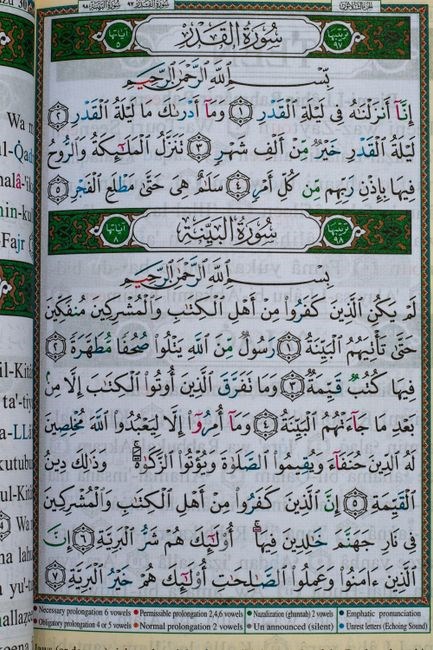
When verifying a Surah Ta‑Ha PDF, begin by comparing each verse to a trusted Mushaf, such as the Madani Mushaf or the Mushaf of the King Fahd Complex. Align the Arabic text, check the verse numbers, and ensure the diacritics match. If the PDF contains transliteration, cross‑reference the Latin letters with the Arabic to confirm accuracy. Use online tools like Quran.com’s verse‑by‑verse comparison or the Al‑Quran app to spot discrepancies. Once the text is verified, examine the file’s metadata for the publisher’s name, edition, and publication date. This information should match the source you downloaded from. Respect copyright by not redistributing the PDF without permission; instead, share the link to the original source. If you wish to use excerpts, keep them under the fair‑use threshold and provide proper attribution. For academic or teaching purposes, request a license from the copyright holder or use a public‑domain edition. Following these steps guarantees that your Surah Ta‑Ha PDF is both authentic and legally compliant. Verify the chapter number and title on the pages.
Additionally, verify that the PDF’s font style and size are consistent with the original Mushaf; any deviation might indicate an edition. Check the presence of the Arabic title “سورة طه” at the top of the first page and the chapter number “20” in the footer. Some PDFs include a watermark or a digital signature; ensure that it originates from a recognized authority. Finally, keep a record of the download date and source URL for future reference, which helps maintain transparency and accountability when sharing the PDF with others.