
Category Archives: Australia

celsius to fahrenheit table pdf

Category : Australia

Article Plan: Celsius to Fahrenheit Table PDF

This article details creating and utilizing Celsius to Fahrenheit tables, particularly in PDF format. We’ll explore conversion formulas, practical applications, and readily available resources for quick temperature adjustments.

Temperature measurement is fundamental across numerous disciplines, from scientific research and weather forecasting to everyday cooking and personal comfort. Two dominant scales, Celsius (°C) and Fahrenheit (°F), are widely used, though not always interchangeably. Understanding both is crucial, especially when dealing with international data or historical records.

Celsius, part of the metric system, is based on 0°C representing the freezing point of water and 100°C its boiling point. It’s favored by most of the world for its simplicity and logical divisions. Fahrenheit, however, remains prevalent in the United States and a few other territories. Its origins are rooted in a different historical context, with 32°F as the freezing point of water and 212°F as its boiling point.

The need for conversion arises frequently. A Celsius to Fahrenheit table, particularly in a portable PDF format, provides a convenient and accessible tool for quick reference. This article will guide you through the conversion process, the benefits of using a PDF table, and resources for accurate temperature adjustments.

Why Use a Celsius to Fahrenheit Table?

While online converters are readily available, a Celsius to Fahrenheit table offers distinct advantages, particularly in situations with limited internet access or when quick, repeated conversions are needed. A PDF version amplifies these benefits, providing portability and offline accessibility. Imagine a remote field study, a baking session without Wi-Fi, or simply needing a fast reference during a weather report – a table is invaluable.

Tables eliminate the need for constant recalculations, reducing the risk of errors. They present a visual representation of the relationship between the two scales, aiding in comprehension and estimation. Furthermore, a PDF table can be easily printed and kept handy for immediate use. This is especially useful for individuals who frequently work with both temperature scales.

For educational purposes, a table reinforces the conversion process. It’s a tangible tool for students learning about temperature scales and their applications. Ultimately, a Celsius to Fahrenheit table in PDF format is a practical, reliable, and versatile resource for anyone needing to navigate between these two common temperature measurements.

The Formula for Conversion: A Detailed Explanation

The core of converting Celsius to Fahrenheit lies in the formula: F = (C × 9/5) + 32. Let’s break this down. ‘F’ represents the temperature in Fahrenheit, and ‘C’ represents the temperature in Celsius. The multiplication by 9/5 (or 1.8) accounts for the differing size of each degree on the two scales. A Fahrenheit degree is smaller than a Celsius degree.

The addition of 32 is crucial; it shifts the zero point of the Celsius scale to align with the freezing point of water on the Fahrenheit scale. Without this adjustment, the conversion would be inaccurate. Understanding this offset is key to grasping the formula’s logic.

To illustrate, if you have 25°C, you’d multiply 25 by 1.8 (resulting in 45) and then add 32, yielding 77°F. This formula is the foundation for creating any Celsius to Fahrenheit table, including those saved as PDF documents. Accurate application of this formula ensures precise temperature conversions, vital for various applications.

Understanding the Celsius Scale

The Celsius scale, also known as centigrade, is widely used globally, particularly in scientific contexts. It’s based on 0°C as the freezing point of water and 100°C as the boiling point of water at standard atmospheric pressure. This makes it a convenient scale for many everyday applications and scientific measurements.

Developed by Anders Celsius in 1742 (though initially inverted!), the scale is decimal-based, meaning temperature changes are easily expressed in increments of ten. This simplicity contributes to its popularity in scientific fields. Understanding this scale is fundamental when working with a Celsius to Fahrenheit table.

Negative values indicate temperatures below freezing, while positive values represent temperatures above freezing. The scale’s linear nature allows for straightforward interpolation and conversion. When creating a PDF conversion chart, recognizing these key points – freezing/boiling points and the decimal base – is essential for accurate representation and usability.

Understanding the Fahrenheit Scale

The Fahrenheit scale is a temperature scale primarily used in the United States and a few other territories. It defines the freezing point of water at 32°F and the boiling point at 212°F. This scale, developed by Daniel Gabriel Fahrenheit in the early 18th century, initially used a brine solution for calibration, influencing its somewhat arbitrary zero point.

Unlike Celsius’s decimal-based system, Fahrenheit utilizes a more granular scale, which can sometimes appear less intuitive. However, it’s deeply ingrained in everyday American life, particularly in weather reporting and cooking. A Celsius to Fahrenheit table becomes crucial for those accustomed to Celsius needing to interpret Fahrenheit readings.

Understanding the scale’s reference points is key when utilizing conversion charts. Recognizing that 0°F is significantly colder than 0°C, and that increments between these points differ, aids in interpreting a PDF conversion table accurately. Familiarity with common Fahrenheit temperatures, like body temperature (around 98.6°F), provides context.

Creating a Basic Celsius to Fahrenheit Table

Constructing a Celsius to Fahrenheit table is straightforward, utilizing the conversion formula: F = (C × 9/5) + 32. Begin by listing Celsius temperatures in the left column, perhaps in 5 or 10-degree increments, ranging from -40°C to 100°C for a practical range.

Next, apply the formula to each Celsius value to calculate the corresponding Fahrenheit temperature. For example, 0°C equals 32°F, 10°C equals 50°F, and so on. Populate the right column with these calculated Fahrenheit values. A simple spreadsheet program like Excel or Google Sheets greatly simplifies this process.

For a readily accessible resource, consider saving this table as a PDF. This ensures consistent formatting across different devices and prevents accidental modifications. A Celsius to Fahrenheit table PDF is easily printable and shareable. You can find pre-made templates online or create your own tailored to specific needs, like cooking or weather monitoring.

Common Temperature Conversions: Everyday Examples

Understanding common temperature conversions is vital in daily life. Normal human body temperature, 37°C, equates to 98.6°F. Water freezes at 0°C (32°F) and boils at 100°C (212°F)—key benchmarks for many applications. A comfortable room temperature often falls around 20-25°C (68-77°F).

When following recipes, especially from international sources, converting temperatures is crucial. Many recipes use Fahrenheit, so a Celsius to Fahrenheit table PDF becomes invaluable. For instance, a baking temperature of 180°C needs to be converted to 356°F.

Weather reports frequently switch between the two scales. If a forecast predicts 15°C, knowing it’s 59°F helps gauge the appropriate clothing. Having a quick reference, like a printed Celsius to Fahrenheit table, or a readily available PDF, simplifies these everyday conversions, eliminating mental calculations and ensuring accuracy.

Printable Celsius to Fahrenheit Table (PDF Format)

A printable Celsius to Fahrenheit table in PDF format offers unparalleled convenience. These tables typically cover a range from -40°C to 100°C (or beyond), incrementing in 5°C or 10°C steps, providing quick conversions without calculations. Downloading a PDF ensures accessibility on any device – smartphones, tablets, or computers – and eliminates the need for an internet connection.

Numerous websites offer free, downloadable Celsius to Fahrenheit conversion charts in PDF. These charts are often designed for easy readability, with clear formatting and distinct columns for each scale. Printing a copy allows for immediate reference in kitchens, workshops, or during outdoor activities.

The benefit of a PDF is its portability and preservation of formatting. Unlike web pages, a PDF will display consistently across different platforms. A well-designed Celsius to Fahrenheit table PDF is an essential tool for anyone frequently dealing with temperature conversions.

Benefits of Using a PDF Table

Utilizing a Celsius to Fahrenheit table in PDF format presents several distinct advantages. Primarily, PDFs offer portability; you can easily store and access the table on any device – computers, tablets, or smartphones – without requiring an internet connection. This is crucial for situations where online access is limited or unavailable.

PDFs maintain consistent formatting, ensuring the table appears as intended regardless of the operating system or software used to view it. This eliminates potential display issues common with web-based charts. Printability is another key benefit, allowing for a physical copy readily available for quick reference in kitchens, workshops, or outdoors.

PDFs are also easily shareable, making it simple to distribute the conversion table to colleagues, friends, or family. Furthermore, they are generally more secure than online converters, reducing the risk of data breaches or privacy concerns. A Celsius to Fahrenheit PDF table is a reliable and convenient solution.

Celsius to Fahrenheit Conversion Charts for Specific Applications

Tailored Celsius to Fahrenheit charts enhance usability for diverse needs. Weather forecasting charts often display temperature ranges crucial for understanding conditions; a dedicated chart simplifies quick conversions for travelers or outdoor enthusiasts. For cooking and baking, precise temperature adjustments are vital, and specialized charts ensure recipes translate accurately between systems.

Industrial applications, like manufacturing or scientific research, may require charts covering broader temperature ranges with higher precision. These charts often include conversions for specific materials or processes. Medical professionals benefit from charts facilitating quick assessment of body temperatures reported in either scale.

Creating application-specific charts involves selecting relevant temperature intervals and potentially adding annotations for common scenarios. A Celsius to Fahrenheit conversion chart designed for a particular purpose improves efficiency and reduces errors. These focused tables are more practical than general-purpose conversions.

10.1 Weather Forecasting Charts

Weather forecasting charts utilizing Celsius to Fahrenheit conversion are essential for understanding global temperature reports. Many international forecasts initially present temperatures in Celsius, requiring quick conversion for audiences accustomed to Fahrenheit. A dedicated chart streamlines this process, enabling immediate comprehension of conditions.

Effective weather charts display both scales simultaneously or provide a clear conversion table alongside the forecast. Key temperature benchmarks – freezing (0°C/32°F), comfortable ranges, and extreme heat/cold thresholds – are prominently featured. These charts often include color-coding to visually represent temperature zones.

Printable PDF versions of weather conversion charts are particularly useful for travelers or those in areas with limited internet access. A well-designed chart should cover a broad range of temperatures, from sub-zero to extreme heat, and offer easy-to-read formatting. Quick reference guides, like the rhyme “30s are hot…”, can supplement the chart for rapid estimation.

10.2 Cooking and Baking Charts

Accurate temperature conversion is paramount in cooking and baking, where recipes often originate from countries using different scales. A Celsius to Fahrenheit chart specifically designed for culinary applications ensures consistent results, preventing undercooked or overcooked dishes. Many older or international recipes list temperatures in Celsius, necessitating a quick and reliable conversion.

Effective cooking charts focus on common oven temperatures and internal food temperatures. Key conversions, like 175°C to 350°F, are readily available. Charts often categorize temperatures by cooking method – roasting, baking, frying – for easy reference. PDF format allows for convenient printing and placement in the kitchen.

A useful chart will also include guidance on adjusting cooking times when converting temperatures. For example, a higher Fahrenheit temperature may require a slightly shorter cooking duration; Printable versions are invaluable for cooks who prefer not to rely on digital devices while in the kitchen, ensuring precision and delicious outcomes.

Online Celsius to Fahrenheit Converters vs. PDF Tables

Both online converters and PDF tables serve the purpose of Celsius to Fahrenheit conversion, but cater to different needs. Online converters offer instant, on-demand calculations, ideal for quick, one-off conversions. They eliminate the need for manual calculation and are accessible from any device with internet access.

However, PDF tables provide a readily available, offline reference. A printable PDF is particularly useful in situations without internet connectivity, such as remote locations or during power outages. They offer a visual overview of the temperature range, facilitating quick estimations without needing to input values repeatedly.

PDF tables are also beneficial for frequent conversions, as they eliminate the need to navigate to a website each time. The convenience of a physical chart, easily accessible in a kitchen or workshop, makes them a practical choice for many users. Ultimately, the best option depends on individual preferences and usage scenarios.

Accuracy and Rounding in Conversions

The formula F = (C × 9/5) + 32 provides a precise conversion between Celsius and Fahrenheit. However, in practical applications, especially when using Celsius to Fahrenheit tables, rounding is often necessary. The level of rounding depends on the required accuracy for the specific use case.

For general purposes, rounding to the nearest whole number is usually sufficient. Weather reports, for instance, often display temperatures rounded to the nearest degree. However, in scientific or industrial applications, greater precision may be required, necessitating rounding to one or two decimal places.

PDF tables typically present conversions rounded to a specific degree of precision. It’s crucial to be aware of this rounding when interpreting the table’s values. Understanding the potential for slight inaccuracies due to rounding is essential for avoiding errors in temperature-sensitive applications. Always consider the context and required accuracy when choosing a rounding method.
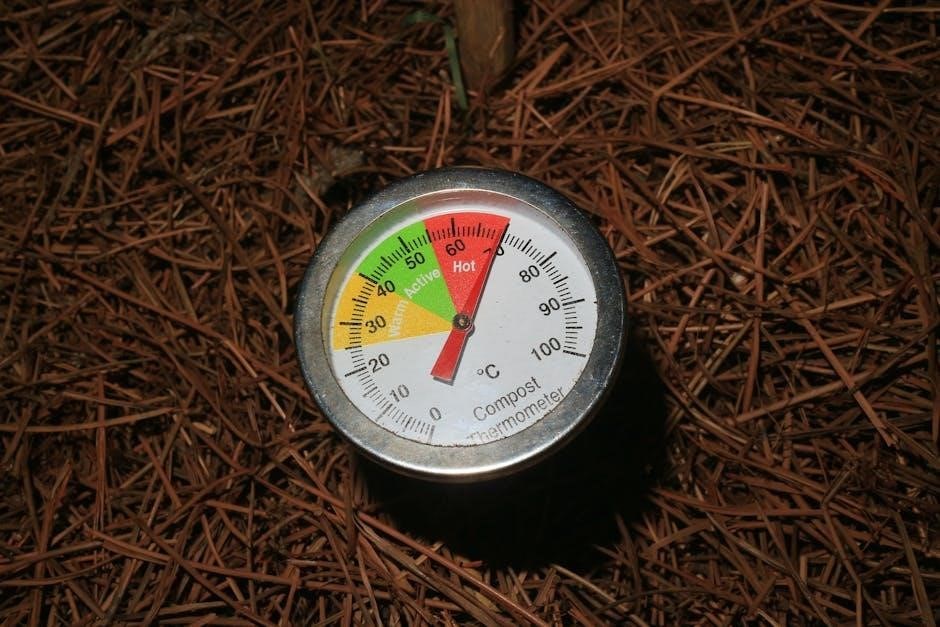
Historical Context: Origins of the Scales

The Celsius scale, originally known as the centigrade scale, was developed by Swedish astronomer Anders Celsius in 1742. He initially proposed it with 0 for boiling and 100 for freezing, later reversed to its current form. This system gained prominence due to its decimal-based nature, aligning with the metric system.

Daniel Gabriel Fahrenheit, a German physicist, created the Fahrenheit scale in 1724. He based his scale on zero being the freezing temperature of a brine solution and 96 representing human body temperature. While less intuitive than Celsius, it was widely adopted in English-speaking countries.

The need for conversion tools, including Celsius to Fahrenheit tables, arose from the coexistence of these two systems. Understanding their historical origins provides context for their differing scales and the ongoing requirement for accurate temperature translation across various applications and regions. PDF tables offer a convenient way to access these conversions.

Troubleshooting Common Conversion Errors

A frequent error when converting Celsius to Fahrenheit lies in misapplying the formula: F = (C × 9/5) + 32. Forgetting the “+ 32” results in a significant underestimation of the Fahrenheit temperature. Another mistake is incorrectly performing the multiplication, especially with decimal values.

When using a Celsius to Fahrenheit table (especially in PDF format), ensure you’re reading the correct column and row. Visual misinterpretation can lead to incorrect values. Rounding errors can also accumulate, particularly when performing multiple conversions. Always consider the desired level of precision.

Double-check your input value. A simple typo in the Celsius temperature will propagate through the calculation; PDF tables can help minimize calculation errors, but verifying the source and the table’s accuracy is crucial. Utilize online converters to cross-reference results and confirm your findings.

Resources for Further Learning and Conversion Tools

To find printable Celsius to Fahrenheit charts, a simple Google search will yield numerous options. Websites offering free printables often have a variety of table formats. Remember to assess the source’s reliability before relying on the information. PDF documents are ideal for preserving formatting during printing and sharing.

Choosing the Right Conversion Method

Ultimately, the best method for Celsius to Fahrenheit conversion depends on your needs. For frequent, precise calculations, online converters offer speed and accuracy. However, a PDF table provides a readily available, offline reference, especially useful in situations without internet access.

If you require a quick estimate, remembering the rhyme – “30s are hot, 20s are nice, 10s are cold, 0 is ice” – can be surprisingly effective. For specific applications like cooking or weather monitoring, dedicated charts tailored to those contexts are invaluable.

A printable PDF table strikes a balance between convenience and accessibility. It’s a practical solution for those who prefer a tangible reference or need to perform conversions regularly. Consider your workflow and frequency of use when selecting the most suitable conversion tool;



7 day pcos diet plan pdf

Category : Australia

Polycystic Ovary Syndrome (PCOS) is a hormonal disorder affecting millions of women, often causing insulin resistance and inflammation. A well-structured diet plays a crucial role in managing symptoms, stabilizing blood sugar, and improving overall health. By focusing on nutrient-rich, anti-inflammatory foods, women with PCOS can better regulate hormones, support weight management, and enhance long-term well-being. This 7-Day PCOS Diet Plan is designed to provide a clear roadmap for dietary changes that promote balance and reduce symptom severity.

1.1 Understanding Polycystic Ovary Syndrome (PCOS)

Polycystic Ovary Syndrome (PCOS) is a hormonal disorder affecting approximately 10% of women of reproductive age. It is characterized by irregular menstrual cycles, cysts on the ovaries, and hormonal imbalances, often leading to insulin resistance, inflammation, and metabolic issues. PCOS can cause symptoms like weight gain, acne, and excess hair growth. While the exact cause is unknown, factors such as genetics and environmental influences play a role. Managing PCOS requires a holistic approach, with diet being a cornerstone of symptom relief and long-term health improvement.

1.2 How Diet Impacts PCOS Symptoms

Diet plays a pivotal role in managing PCOS symptoms by influencing insulin levels, inflammation, and hormonal balance. Foods with a low glycemic index help stabilize blood sugar, reducing insulin resistance, while anti-inflammatory foods like leafy greens and fatty fish alleviate inflammation. A diet rich in whole grains, lean proteins, and healthy fats supports hormone regulation and weight management. Conversely, high-sugar and processed foods can exacerbate symptoms, making balanced nutrition essential for improving overall well-being and mitigating PCOS-related discomfort.

1.3 Benefits of a 7-Day PCOS Diet Plan

A 7-day PCOS diet plan offers structured guidance to manage symptoms, stabilize blood sugar levels, and improve insulin resistance. By focusing on nutrient-dense meals, it helps regulate hormones, reduce inflammation, and support weight loss. This plan introduces anti-inflammatory and low-glycemic foods, promoting sustained energy and improved metabolic health. It also provides a practical approach to meal prep, making it easier to adopt long-term dietary changes. This structured plan helps women with PCOS feel empowered to take control of their health and symptoms effectively.

7-Day PCOS Diet Plan Overview

This structured plan provides balanced meals, anti-inflammatory foods, and high-protein options to stabilize blood sugar, improve insulin resistance, and promote sustainable habits for managing PCOS symptoms effectively.

2.1 Day 1: Balanced Meals for Blood Sugar Stabilization

Day 1 focuses on meals that balance macronutrients to stabilize blood sugar levels and improve insulin sensitivity. Breakfast includes a veggie frittata with whole wheat toast and avocado, providing sustained energy. Lunch features a Taylor Farms Chopped Salad with rotisserie chicken and an apple, combining protein and fiber. Dinner offers beef tacos with low-carb tortillas and a side of Mexican vegetables, ensuring a nutrient-rich finish to the day. These meals are designed to kickstart your PCOS-friendly diet journey with flavors and balance.

2.2 Day 2: Incorporating Anti-Inflammatory Foods

Day 2 emphasizes anti-inflammatory foods to reduce inflammation, a key factor in PCOS. Breakfast includes a berry smoothie with spinach, chia seeds, and almond milk, packed with antioxidants. Lunch features grilled chicken over quinoa and roasted vegetables, providing lean protein and fiber. Dinner includes baked salmon with asparagus and sweet potatoes, rich in omega-3 fatty acids. These meals help combat inflammation, promoting hormonal balance and improved symptoms, while offering delicious and nutritious options to support your PCOS journey.

2.3 Day 3: High-Protein Meals for Hormone Regulation

Day 3 focuses on high-protein meals to support hormone regulation, crucial for managing PCOS. Breakfast includes Greek yogurt with berries and almonds, providing sustained energy. Lunch features a grilled chicken salad with mixed greens, avocado, and olive oil dressing. Dinner consists of baked cod with steamed broccoli and brown rice, offering lean protein and fiber. These meals help stabilize blood sugar, reduce cravings, and promote hormonal balance, essential for improving PCOS symptoms and overall well-being.

2.4 Day 4: Low-Glycemic Index Foods for Insulin Control

Day 4 emphasizes low-glycemic index foods to regulate blood sugar and insulin levels, crucial for managing PCOS. Breakfast features overnight oats with almond milk, chia seeds, and berries. Lunch includes a grilled chicken salad with mixed greens, avocado, and olive oil dressing. Dinner consists of baked salmon, steamed asparagus, and quinoa. These meals stabilize blood sugar, enhance insulin sensitivity, and reduce inflammation, supporting hormonal balance and overall health for women with PCOS.

2.5 Day 5: Mediterranean-Inspired Meals

Day 5 focuses on Mediterranean-inspired meals, rich in whole grains, lean proteins, and healthy fats. Breakfast includes Greek yogurt with honey and walnuts, while lunch features grilled chicken with quinoa and roasted vegetables. Dinner highlights baked cod with a side of steamed broccoli and olive oil drizzle. These meals emphasize anti-inflammatory foods, promoting insulin balance and reducing PCOS-related inflammation. The Mediterranean diet is renowned for its health benefits and sustainability, making it ideal for long-term PCOS management.

2.6 Day 6: Detoxifying with Whole Foods

Day 6 emphasizes detoxifying with whole, nutrient-dense foods to support your body’s natural cleansing processes. Start with a vibrant green smoothie for breakfast, loaded with spinach, berries, and chia seeds. Lunch features a hearty salad with mixed greens, roasted turkey, and avocado, dressed with olive oil and lemon. Dinner includes roasted vegetables like Brussels sprouts and sweet potatoes, paired with grilled salmon. These meals are designed to flush toxins, boost energy, and promote hormonal balance, aligning with PCOS management goals.

2.7 Day 7: Maintaining Momentum and Meal Prep Tips

Day 7 focuses on maintaining momentum by incorporating meal prep strategies to ensure long-term success. Start with a protein-packed breakfast like scrambled eggs with spinach and whole-grain toast. Lunch includes a grilled chicken wrap with mixed greens and a side of quinoa salad. Dinner features baked cod with steamed broccoli and cauliflower rice. Use this day to plan meals for the week, shop for groceries, and prepare portions in advance. Consistency is key to sustaining progress and managing PCOS symptoms effectively.

Snacks and Beverages for PCOS Management

Healthy snacks like nuts, fruits, and veggie sticks, along with beverages such as water, herbal teas, or cinnamon-infused drinks, support blood sugar control and reduce inflammation naturally.

3.1 Healthy Snack Options

For women with PCOS, choosing snacks rich in nutrients and low in sugar is essential. Opt for options like nuts (almonds, walnuts), seeds, fresh berries, and veggie sticks with hummus. Greek yogurt with chia seeds or a small portion of avocado also provides sustained energy. These snacks help balance blood sugar levels, reduce cravings, and support hormonal balance. Incorporating anti-inflammatory foods like berries and nuts can further alleviate symptoms. Always aim for portion control to maintain a healthy calorie intake throughout the day.

3.2 Beverages That Support PCOS Health

Staying hydrated is vital for overall health, especially for women with PCOS. Water, herbal teas like chamomile or peppermint, and green tea are excellent choices, as they support detoxification and inflammation reduction. Incorporate green tea for its antioxidant properties and potential benefits in improving insulin sensitivity. Avoid sugary beverages and opt for low-sugar, unsweetened almond or oat milk instead of dairy. Limit caffeine intake and consider warm water with lemon or ginger to boost metabolism and digestion, aiding in symptom management and hormonal balance.

Grocery Shopping and Meal Prep Tips

Planning meals and creating a grocery list ensure efficient shopping and stress-free meal prep. Prepping ingredients in advance supports consistency and sustained dietary results.

4.1 Essential Items for Your PCOS Grocery List

Stocking your pantry with nutrient-dense foods is key to managing PCOS. Focus on lean proteins like eggs, tofu, and lentils, paired with low-GI vegetables such as spinach, broccoli, and bell peppers. Include healthy fats like avocados, olive oil, and nuts for hormone balance. Anti-inflammatory spices like turmeric and cinnamon are beneficial. Whole grains like quinoa and brown rice provide sustained energy. Don’t forget herbal teas and hydration options to support detoxification. These staples will help you create balanced meals and snacks for your 7-day plan.

4.2 Meal Prep Strategies for Busy Schedules

Meal prepping is essential for maintaining consistency with your PCOS diet, especially when life gets busy. Start by planning your meals for the week and creating a grocery list. Use reusable containers to portion out breakfast, lunch, and snacks in advance. Chop vegetables and marinate proteins on weekends to streamline weekday cooking. Consider batch-cooking recipes like soups or salads that can be reheated. Staying organized and prepared ensures you’ll stick to your plan, even on the most hectic days.

Weight Loss and PCOS: Dietary Considerations

Dietary changes are key for weight loss in PCOS. Focus on low-GI foods, anti-inflammatory options, and balanced macronutrients to regulate insulin and hormones, supporting sustainable weight management.

5.1 The Role of Protein in Weight Management

Protein plays a vital role in weight management for women with PCOS. It helps regulate hunger, stabilizes blood sugar levels, and supports hormone balance; Incorporating lean proteins like chicken, fish, and legumes into meals can reduce cravings and promote satiety. Protein also aids in maintaining muscle mass, which boosts metabolism and aids in fat loss. Aiming for 15-20 grams of protein per meal can help manage insulin resistance and support overall weight management goals effectively.

5.2 Avoiding High-Carb and High-Sugar Foods

High-carbohydrate and high-sugar foods can trigger insulin spikes, worsening PCOS symptoms like insulin resistance and hormonal imbalances. These foods often lead to increased androgen levels, contributing to acne and excess hair growth. Reducing intake of refined carbs and sugary snacks helps stabilize blood sugar levels, improve insulin sensitivity, and regulate hormones. This dietary adjustment supports weight loss and enhances overall symptom management for women with PCOS.

Long-Term Maintenance of the PCOS Diet

Consistency is key to sustaining PCOS diet benefits. Focus on mindful eating, gradual changes, and adapting the 7-day plan to fit your lifestyle for long-term success.

6.1 Adapting the 7-Day Plan for Sustained Results

Adapting the 7-day PCOS diet plan for long-term success involves incorporating Mediterranean-inspired meals, focusing on low-GI foods, and anti-inflammatory options. Rotate protein sources like lean meats, fish, and legumes to maintain variety. Include healthy fats, such as avocados and olive oil, to support hormone balance. Avoid high-carb and sugary foods consistently. By introducing gradual changes and maintaining flexibility, you can tailor the plan to suit your lifestyle, ensuring sustained benefits and improved overall health.

6.2 The Importance of Consistency and Mindful Eating

Consistency is key to managing PCOS symptoms long-term. Sticking to a balanced diet helps regulate hormones and metabolism. Mindful eating encourages awareness of hunger cues, preventing overeating and promoting healthier choices. By focusing on whole, nutrient-dense foods, you can maintain energy levels and reduce cravings. Regular meal times and portion control also support insulin stability. Over time, these habits become second nature, fostering a sustainable approach to managing PCOS and improving overall well-being.


isuzu d-max owners manual australia pdf free download

Category : Australia

The Isuzu D-Max Owners Manual is an essential guide for Australian drivers, providing detailed information on vehicle operation, maintenance, and safety features. It ensures compliance with local regulations and helps owners maximize their driving experience.

1.1 Importance of the Owners Manual

The Isuzu D-Max Owners Manual is crucial for understanding vehicle features, troubleshooting, and ensuring safety. It provides detailed guidance on maintenance, operation, and compliance with Australian road regulations. This resource is essential for maximizing the driving experience and maintaining the vehicle’s performance and longevity. Regularly referencing the manual helps owners address issues promptly and make informed decisions about their Isuzu D-Max.

1.2 Overview of the Isuzu D-Max Model in Australia

The Isuzu D-Max is a popular utility vehicle in Australia, known for its durability and reliability. It offers various models, including single and double cab options, catering to both work and leisure needs. With advanced features like 4×4 capabilities and turbo-diesel engines, the D-Max is a versatile choice for Australian drivers, making it a top seller in the utility vehicle market.

Where to Download the Isuzu D-Max Owners Manual for Free

Download the Isuzu D-Max owners manual for free from official Isuzu websites, dealerships, or reputable platforms like OnlyManuals.com. PDFs are available for various model years.

2.1 Official Isuzu Dealerships and Websites

Official Isuzu dealerships and websites provide authentic D-Max owners manuals for free. Visit Isuzu Australia’s official site or authorized dealers for PDF downloads, ensuring accuracy and reliability. These sources offer model-specific guides, including recent updates, making them the most trustworthy option for Australian owners seeking accurate information.

2.2 Reputable Online Platforms for Manual Downloads

Reputable platforms like OnlyManuals.com and Scribd offer free PDF downloads of the Isuzu D-Max owners manual. These sites provide model-specific guides, ensuring compatibility with Australian models. They often include comprehensive sections on maintenance, troubleshooting, and safety features. Always verify the authenticity of the manual before downloading to ensure accuracy and compliance with local regulations.

Content Overview of the Isuzu D-Max Owners Manual

The manual provides detailed guides on vehicle operation, maintenance, and safety features, ensuring Australian drivers can maximize their driving experience efficiently and safely.

3.1 Key Sections and Features of the Manual

The Isuzu D-Max manual includes essential sections like vehicle specifications, maintenance schedules, troubleshooting guides, and safety precautions. It also covers advanced features such as 4×4 driving tips and infotainment system operation. Detailed diagrams and step-by-step instructions are provided for DIY maintenance, ensuring owners can handle routine tasks confidently. The manual is organized logically, making it easy to navigate and find specific information quickly.

3.2 Technical Specifications and Maintenance Schedules

The manual provides detailed technical specs, including engine power, torque, and transmission options. It outlines maintenance schedules for oil changes, tire rotations, and fluid checks. Specific intervals are listed for 4×4 systems, brakes, and suspension. Owners can also find recommendations for fuel types and load capacities, ensuring optimal vehicle performance and longevity. Regular servicing timelines are emphasized to maintain warranty compliance and prevent potential issues.

Legal Considerations for Downloading Manuals

Downloading Isuzu D-Max manuals requires adherence to copyright laws. Ensure authenticity by sourcing from official dealerships or authorized platforms to avoid legal implications and pirated content risks.

4.1 Copyright and Usage Rights

The Isuzu D-Max Owners Manual is protected by copyright laws, and unauthorized distribution or replication is prohibited. Users must download manuals from official Isuzu dealerships or authorized platforms to ensure compliance. Pirated or unverified sources may violate intellectual property rights and pose legal risks. Always respect copyright protections to avoid infringement and ensure access to authentic, reliable information.

4.2 Verifying the Authenticity of Downloaded Manuals

Ensure the Isuzu D-Max Owners Manual is authentic by downloading from official Isuzu websites or authorized dealerships. Verify the manual’s validity by checking for the Isuzu logo, proper formatting, and accurate technical details. Avoid untrusted sources, as they may provide altered or incomplete information. Cross-referencing with official Isuzu documentation or contacting customer support can further confirm authenticity, ensuring compliance with legal and safety standards.

Comparison with Other Isuzu Manuals

The Isuzu D-Max Owners Manual differs from other Isuzu manuals by its tailored focus on Australian models, emphasizing local safety standards and maintenance requirements.

5.1 Differences Between Owners and Workshop Manuals

The Isuzu D-Max Owners Manual focuses on everyday use, covering operation, maintenance, and safety features, while Workshop Manuals provide detailed technical instructions for repairs and diagnostics. The Owners Manual is designed for drivers, offering straightforward guidance, whereas Workshop Manuals cater to professionals or enthusiasts needing advanced troubleshooting and repair procedures. They differ in depth, with Workshop Manuals including specifications, diagrams, and complex repair steps not found in the Owners Manual.

5.2 Haynes vs. Isuzu Factory Manuals

Haynes manuals are designed for DIY enthusiasts, offering clear, step-by-step instructions for common repairs and maintenance. In contrast, Isuzu Factory Manuals provide detailed technical specifications, diagnostic procedures, and advanced repair information. While Haynes manuals are more user-friendly, Isuzu manuals cater to professionals or experienced mechanics, offering comprehensive coverage for complex tasks. Both are valuable resources but serve different audiences and needs.

Tips for Using the Isuzu D-Max Owners Manual

Use the manual to explore settings, features, and maintenance schedules. Refer to troubleshooting guides for common issues and ensure optimal vehicle performance for a safe driving experience.

6.1 Navigating the PDF Format

Navigating the Isuzu D-Max Owners Manual in PDF format is straightforward. Use bookmarks and search functions to quickly locate specific sections. Zoom in for detailed views and use keyboard shortcuts for easy navigation. Ensure your PDF reader is updated for optimal performance; For mobile users, consider downloading a dedicated PDF viewer app for better accessibility. Always verify the manual’s authenticity by cross-referencing with official Isuzu sources to avoid misleading information.

6.2 Utilizing the Manual for DIY Maintenance

The Isuzu D-Max Owners Manual is a valuable resource for DIY maintenance. It provides detailed troubleshooting guides, maintenance schedules, and step-by-step instructions for common repairs. For Australian models, specific sections cover oil changes, tire rotations, and battery care. Refer to the manual for model-specific advice, such as the 2020 D-Max, to ensure accuracy. Always follow safety precautions and use genuine Isuzu parts to avoid complications and maintain warranty compliance.

Troubleshooting Common Issues

The manual provides solutions for common issues, such as error codes and diagnostic procedures, helping owners identify and resolve problems efficiently.

7.1 Frequently Asked Questions by D-Max Owners

Common queries include troubleshooting engine issues, understanding error codes, and maintenance schedules. The manual addresses these concerns, offering clear solutions and diagnostic guidance. It also covers FAQs about 4×4 functionality, infotainment systems, and safety features, ensuring owners can resolve issues efficiently and maintain their vehicle optimally.

7.2 Error Codes and Diagnostic Procedures

The manual lists common error codes like P0300 (cylinder misfire) and P0171 (system too lean), explaining their causes and fixes. Diagnostic procedures guide owners through troubleshooting steps, such as using OBD-II scanners to identify issues. Detailed instructions help resolve problems efficiently, ensuring optimal vehicle performance and preventing further damage.

Model-Specific Information

The Isuzu D-Max Owners Manual provides detailed specifications and updates for various model years, including Australia-specific configurations. It highlights variations in features, updates, and revisions for optimal performance.

8.1 Variations in Manuals for Different Model Years

Isuzu D-Max Owners Manuals vary across model years, with specific details for 2012 to 2024 models. Each manual includes unique technical specifications, maintenance schedules, and safety features tailored to its year. Variations in content and format ensure relevance for different engine types, transmissions, and regional requirements, such as Australian market adaptations. File sizes and formats differ, with PDFs being the most common. Always use the correct manual for your vehicle to ensure accuracy and compliance with local regulations.

8.2 Updates and Revisions in Recent Manuals

Recent Isuzu D-Max Owners Manuals, particularly for 2021, 2023, and 2024 models, include updates reflecting technological advancements and regulatory changes. These revisions cover enhanced safety features, improved infotainment systems, and new driver-assistance technologies. Maintenance schedules have also been refined, and compliance with Australian road regulations is emphasized. Always refer to the latest manual for accurate and up-to-date information specific to your vehicle.

The Role of the Owners Manual in Vehicle Safety

The Isuzu D-Max Owners Manual is a comprehensive guide to safety features, driving precautions, and compliance with Australian road regulations, ensuring safe and legal vehicle operation.

9.1 Safety Features and Precautions

The Isuzu D-Max Owners Manual highlights advanced safety features such as electronic stability control and anti-lock braking systems. It also outlines essential precautions for driving in adverse conditions and proper use of seatbelts. The manual emphasizes adherence to safety guidelines to prevent accidents and ensure optimal vehicle performance. Regular safety checks and adherence to maintenance schedules are strongly recommended to maintain reliability and safety on Australian roads.

9.2 Compliance with Australian Road Regulations

The Isuzu D-Max Owners Manual ensures compliance with Australian road regulations by providing guidelines for load capacity, towing, and safety standards. It highlights features like cargo tie-down points and tire pressure monitoring, essential for roadworthiness. Regular inspections and adherence to maintenance schedules are emphasized to prevent violations and ensure the vehicle meets legal requirements, promoting safe and lawful driving across Australia.

Downloadable Resources and Accessories

Downloadable resources include supplementary guides, brochures, and PDF manuals, enhancing your Isuzu D-Max experience with detailed instructions and tips for optimal vehicle performance and customization.

10.1 Additional Documentation for Enhanced Functionality

Beyond the standard manual, additional resources such as supplementary guides and brochures provide enhanced functionality. These include extended warranty details, accessory installation instructions, and diagnostic guides. Owners can also access tips for optimizing 4×4 performance and troubleshooting infotainment systems. Such documentation ensures comprehensive understanding and customization of the Isuzu D-Max, catering to both novice and experienced users in Australia.

10.2 Supplementary Guides and Brochures

Supplementary guides and brochures complement the Isuzu D-Max manual, offering detailed insights into specific features. These include workshop manuals, service schedules, and accessory brochures tailored for Australian models. Additional resources cover troubleshooting, advanced 4×4 driving techniques, and infotainment system operation. These materials enhance owner understanding and customization, ensuring optimal vehicle performance and adherence to manufacturer recommendations. They are available online for easy access and reference.

Isuzu D-Max Owners Manual for Future Models

Future Isuzu D-Max models promise enhanced features and improved functionality. Manuals for 2025 and beyond will include advanced driver-assistance systems and eco-friendly technologies, tailored for Australian drivers.

11.1 Upcoming Features in 2025 and Beyond

The 2025 Isuzu D-Max will feature advanced driver-assistance systems, improved fuel efficiency, and enhanced connectivity. Manuals will include details on new eco-friendly technologies and integrated infotainment systems, ensuring Australian drivers stay ahead with innovative solutions and compliance with updated road regulations. These advancements aim to provide a safer, more efficient, and connected driving experience tailored to modern needs.

11.2 Anticipated Improvements in Manual Design

Future Isuzu D-Max manuals are expected to feature enhanced readability and a more user-friendly layout. Improvements may include interactive PDFs with searchable content, high-quality visuals, and step-by-step video tutorials. The design will likely incorporate digital enhancements, such as real-time updates and customizable sections, ensuring owners have access to the most relevant and up-to-date information tailored to their specific vehicle needs.

The Isuzu D-Max Owners Manual is an invaluable resource for Australian drivers, offering comprehensive guidance for optimal vehicle performance and safety. Downloading it for free ensures easy access to essential information.

12.1 Final Thoughts on the Importance of the Manual

The Isuzu D-Max Owners Manual is an invaluable resource for Australian drivers, providing essential information on maintenance, safety, and troubleshooting. It empowers owners to understand their vehicle better, ensuring optimal performance and compliance with local regulations. The manual’s availability in free PDF format makes it easily accessible, allowing drivers to DIY maintenance and repairs confidently. It remains a critical companion for maximizing the D-Max experience.

12.2 Encouragement to Explore and Utilize the Manual

Exploring and utilizing the Isuzu D-Max Owners Manual is crucial for enhancing your driving experience and maintaining your vehicle. This comprehensive guide provides detailed insights into safety features, maintenance schedules, and troubleshooting tips. By referring to it regularly, you can ensure optimal performance, compliance with regulations, and prolonged vehicle longevity. Take advantage of the free PDF download and make it your go-to resource for all D-Max-related inquiries.