social media event marketing guide by donna gilliland
Category : Guide
Donna Gilliland’s guide expertly navigates the dynamic realm of utilizing social networks for event promotion, audience engagement, and maximizing attendance figures.
This comprehensive approach blends organic strategies with paid advertising, creating sustained interest throughout the event lifecycle – before, during, and after.
Her resource is vital for marketers aiming to effectively leverage digital platforms and broaden their reach within the constantly evolving social media landscape.
The Evolution of Event Promotion
Historically, event promotion relied heavily on traditional methods – print advertising, radio spots, and word-of-mouth. These approaches, while effective in their time, lacked the targeted reach and measurable results that modern marketers demand. Donna Gilliland’s guide highlights a pivotal shift, marking social media as a transformative force in how events are conceptualized and publicized.
The advent of platforms like Facebook, Instagram, and X (formerly Twitter) introduced unprecedented opportunities for direct engagement with potential attendees. No longer constrained by geographical limitations or expensive advertising campaigns, event organizers could now cultivate communities and build anticipation organically.
Gilliland’s work emphasizes that this evolution isn’t merely about adopting new tools; it’s about fundamentally changing the approach to event marketing. It’s about fostering conversations, creating shareable experiences, and leveraging user-generated content to amplify reach. The guide details how to move beyond simply broadcasting information to actively participating in the social conversations surrounding an event.
This transition necessitates a data-driven mindset, allowing marketers to track campaign performance, refine strategies, and demonstrate a clear return on investment – something previously difficult to achieve with traditional methods.
Donna Gilliland’s Expertise & Guide Overview
Donna Gilliland stands as a recognized authority in administrative and marketing best practices, with her work frequently featured in publications like OfficePro. Her expertise centers on equipping professionals with the skills to navigate the evolving digital landscape, particularly within the realm of event planning and promotion.
The Social Media Event Marketing Guide by Donna Gilliland serves as a practical, step-by-step resource for businesses and marketers seeking to maximize their event reach and engagement. It’s designed to be an essential tool for anyone looking to effectively promote events in today’s digital age.
The guide comprehensively covers the entire event lifecycle, from pre-event buzz generation to post-event follow-up and analysis. It delves into platform-specific strategies, content creation techniques, and methods for measuring success.
Gilliland’s approach is characterized by its emphasis on actionable insights and real-world applicability, ensuring that readers can immediately implement the strategies outlined within the guide to achieve tangible results.
Pre-Event Social Media Strategies
Donna Gilliland’s guide stresses building anticipation before your event through strategic social media use, engaging potential attendees and creating significant buzz.
Defining Event Goals & Target Audience
Donna Gilliland’s guide emphasizes that successful social media event marketing begins with clearly defined objectives. What do you want to achieve with your event – increased brand awareness, lead generation, direct sales, or community building?
Once goals are established, identifying your target audience is paramount. Consider demographics, interests, online behavior, and the platforms they frequent. A deep understanding of your ideal attendee allows for tailored content creation and precise ad targeting.
Gilliland advocates for creating detailed audience personas to guide your social media strategy. These personas should encompass not only demographic data but also their pain points, motivations, and preferred content formats.
By aligning your event goals with a well-defined target audience, you can maximize the impact of your social media efforts and ensure you’re reaching the right people with the right message, ultimately driving higher attendance and engagement.
Platform Selection: Which Social Media Channels to Prioritize
Donna Gilliland’s guide stresses that not all social media platforms are created equal when it comes to event promotion. Prioritization should be based on where your target audience spends their time.
For visually-driven events, Instagram and Pinterest are excellent choices. Facebook remains a powerful platform for reaching broad demographics and building communities. LinkedIn is ideal for professional events and B2B networking.
Gilliland advises against spreading resources too thin. Focus on 2-3 key platforms where you can consistently deliver high-quality content and engage with your audience effectively.
Consider the event’s nature – a concert might thrive on TikTok, while a conference benefits from LinkedIn’s professional network. Analyzing audience demographics and platform analytics will reveal the most impactful channels.
Strategic platform selection ensures your message reaches the right people, maximizing your social media event marketing ROI.
Content Calendar Creation for Event Buzz
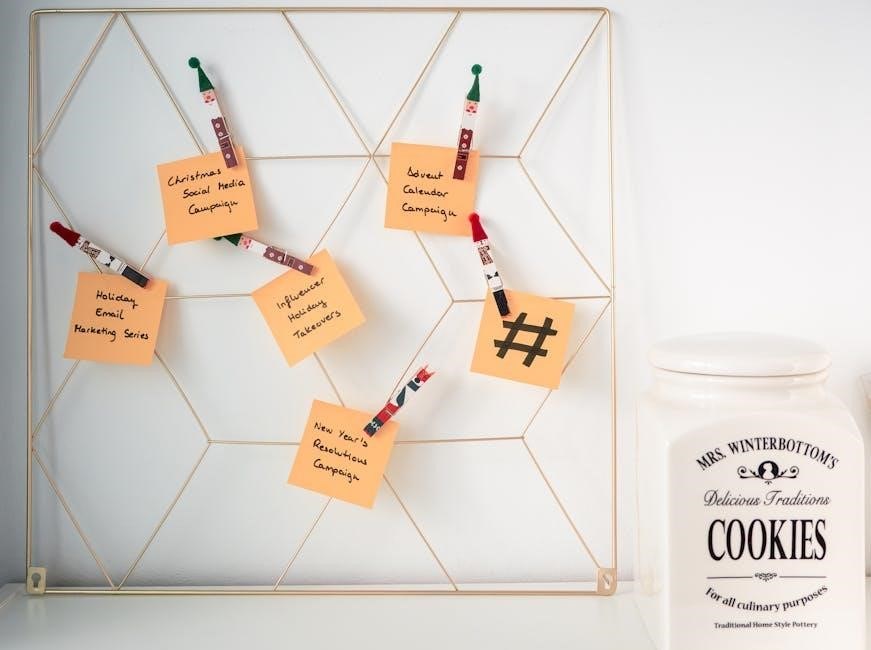
Donna Gilliland’s guide emphasizes the importance of a well-structured content calendar for building anticipation and sustained engagement. This isn’t simply posting dates; it’s a strategic rollout of information designed to create “buzz.”
Begin with “teaser” content weeks or even months in advance – behind-the-scenes glimpses, speaker spotlights, or venue previews. Gradually increase the frequency as the event nears, incorporating diverse content formats like videos, images, and polls.
Gilliland recommends scheduling posts during peak audience activity times. A calendar ensures consistent messaging and prevents last-minute scrambling. Include content for before, during, and after the event.
Vary content themes – highlight benefits, address FAQs, and showcase attendee testimonials. A detailed calendar keeps your social media event marketing focused and impactful, maximizing reach and engagement.
Regularly review and adjust the calendar based on performance data.
Engaging Content Formats
Donna Gilliland’s guide highlights the power of diverse content – videos, images, contests, and giveaways – to capture attention and drive event participation.
These formats boost engagement.
Utilizing Video Content for Event Promotion
Donna Gilliland’s guide emphasizes video as a cornerstone of successful social media event marketing. Short, compelling videos are incredibly effective at capturing attention in crowded feeds, offering a dynamic way to convey the event’s atmosphere and value proposition.
Consider creating teaser videos showcasing highlights from previous years, interviews with speakers, or behind-the-scenes glimpses of event preparation. Live video, particularly during the event itself, fosters real-time engagement and a sense of immediacy for those unable to attend in person.
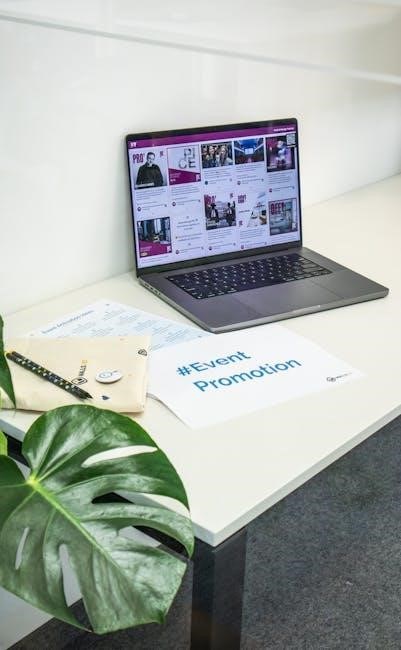
Gilliland suggests optimizing videos for each platform – shorter clips for TikTok and Instagram Reels, longer-form content for YouTube and Facebook. Adding captions is crucial, as many users browse with the sound off; Furthermore, strategically incorporating calls to action, such as links to registration pages, maximizes the video’s impact and drives conversions. Video content truly elevates event promotion.
Leveraging Images & Graphics
Donna Gilliland’s guide highlights the power of visually appealing content in social media event marketing. High-quality images and graphics are essential for grabbing attention and communicating key event details quickly and effectively.
Utilize professional photography from past events to showcase the atmosphere and attendee experience. Create visually consistent graphics for announcements, speaker spotlights, and schedule highlights, maintaining brand identity across all platforms.
Gilliland recommends tailoring image sizes to each social media channel for optimal display. Infographics can effectively present complex information in an easily digestible format. Consider incorporating branded overlays and consistent color schemes to reinforce event recognition. Visually striking content significantly boosts engagement and encourages shares, expanding the event’s reach and attracting potential attendees.
Running Contests & Giveaways
Donna Gilliland’s guide emphasizes that contests and giveaways are powerful tools for boosting social media engagement and generating excitement around an event. These tactics incentivize participation and expand reach organically.
Offer prizes relevant to the event or target audience – tickets, VIP access, merchandise, or experiences. Clearly define contest rules and entry requirements, ensuring compliance with platform guidelines. Encourage sharing and tagging friends to maximize visibility.
Gilliland suggests utilizing various contest formats, such as photo contests, caption contests, or simple raffles. Promote the contest across all social media channels and consider using paid advertising to reach a wider audience. Regularly announce winners and showcase user-generated content from entries, fostering a sense of community and anticipation for the event.
During-Event Social Media Tactics
Donna Gilliland’s guide stresses real-time updates, live streaming, and encouraging user-generated content (UGC) to amplify the event experience and engage attendees.
Active hashtag monitoring is crucial for interaction.
Live Streaming & Real-Time Updates
Donna Gilliland’s guide emphasizes that live streaming is a powerful tool during events, offering a virtual experience for those unable to attend physically and boosting engagement with remote audiences.
Platforms like Facebook Live, Instagram Live, and YouTube Live allow for real-time broadcasting of keynotes, performances, or behind-the-scenes glimpses.
Real-time updates, including short video clips, photos, and text-based posts, are essential for keeping both on-site and online attendees informed and excited.
These updates should highlight key moments, speaker quotes, and attendee interactions, creating a sense of immediacy and inclusivity.
Gilliland advises using a dedicated social media team to manage live coverage, respond to comments, and ensure consistent messaging throughout the event.
Consistent, engaging content keeps the event top-of-mind and encourages further participation.
Remember to promote the live stream schedule beforehand to maximize viewership.
Encouraging User-Generated Content (UGC)
Donna Gilliland’s guide highlights the immense value of User-Generated Content (UGC) in amplifying event reach and building authenticity.
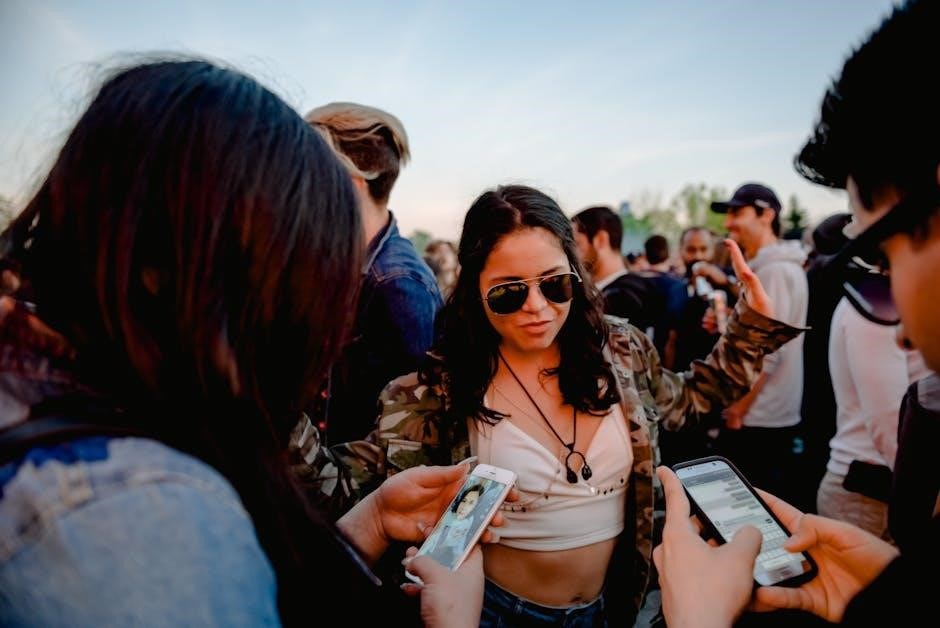
UGC, content created by attendees themselves, acts as powerful social proof and fosters a sense of community.
Encourage attendees to share their experiences by creating a dedicated event hashtag and promoting its use across all social media channels.
Run contests or giveaways incentivizing attendees to post photos, videos, and stories related to the event.
Gilliland suggests displaying a UGC feed on event screens or the event website, showcasing real-time attendee contributions.
Actively monitor the event hashtag and engage with attendee posts, responding to comments and sharing favorite content.
Repurposing UGC in post-event marketing materials further extends its impact and demonstrates appreciation for attendee participation.
This strategy transforms attendees into brand advocates, organically expanding event visibility.
Hashtag Monitoring & Engagement
Donna Gilliland’s guide emphasizes that a dedicated event hashtag is crucial, but its true power lies in consistent monitoring and active engagement.
Utilize social listening tools to track hashtag usage in real-time, identifying key conversations and trending topics related to the event.
Respond promptly to attendee posts using the hashtag, answering questions, acknowledging comments, and fostering a sense of community.
Retweet, share, and like relevant UGC, showcasing attendee experiences and amplifying positive sentiment.
Gilliland advises against ignoring negative feedback; address concerns publicly and offer solutions to demonstrate responsiveness.
Monitor for potential issues or crises and proactively manage the narrative by providing accurate information and addressing misinformation.
Analyzing hashtag data provides valuable insights into attendee interests, event highlights, and overall sentiment.
This data informs future event planning and social media strategies, optimizing engagement and maximizing impact.
Post-Event Social Media Follow-Up
Donna Gilliland’s guide stresses that post-event engagement is vital; thank attendees and share recap content to maintain momentum and nurture relationships.
Analyzing performance data is key for future improvements.
Thank You Posts & Recap Content
Donna Gilliland’s guide emphasizes the critical importance of post-event follow-up, beginning with sincere thank you messages to all attendees, speakers, and sponsors.
These posts should be personalized and express genuine gratitude for their participation, fostering a positive connection and encouraging future engagement.
Beyond simple thank you notes, creating compelling recap content is essential.
This includes curated photo and video highlights, showcasing the best moments of the event and capturing the overall atmosphere.
Short video summaries, attendee testimonials, and key takeaways are particularly effective.
Share presentations or recordings of sessions, providing valuable resources for those who attended and attracting those who couldn’t.
Recap blog posts or articles can delve deeper into event themes and insights.
Consistent posting across all relevant social media channels extends the event’s reach and keeps the conversation going, solidifying its impact.
Remember to use relevant hashtags to increase visibility and encourage sharing.
Analyzing Event Social Media Performance
Donna Gilliland’s guide stresses that post-event analysis is paramount to understanding the effectiveness of your social media strategy.
Key metrics to track include reach, engagement (likes, shares, comments), website traffic generated from social links, and hashtag usage.
Utilize platform-specific analytics tools – Facebook Insights, Twitter Analytics, Instagram Insights – to gather detailed data.
Pay attention to which content formats resonated most with your audience; were videos more engaging than images, or vice versa?
Analyze hashtag performance to identify which ones drove the most visibility and participation.
Monitor sentiment analysis to gauge public perception of the event.
Compare results against pre-event goals to assess whether objectives were met.
This data-driven approach allows you to identify what worked well and what needs improvement for future events.
Document your findings and create a report to share with stakeholders, informing future social media event marketing efforts.
Gathering Feedback & Planning for Future Events
Donna Gilliland’s guide emphasizes that the event doesn’t end with the final session; post-event feedback is crucial for continuous improvement.
Utilize social media polls and surveys to directly solicit attendee opinions on their experience.
Monitor social channels for mentions and comments, paying attention to both positive and negative feedback.
Encourage attendees to share their thoughts using a dedicated event hashtag.
Analyze the collected data to identify areas where the event excelled and areas needing refinement.
Consider what social media tactics were most effective in driving engagement and attendance.
Use these insights to inform the planning process for future events.
Document lessons learned and create a post-event report outlining key takeaways.
This iterative approach, guided by Gilliland’s principles, ensures that each event builds upon the success of the last, maximizing impact and attendee satisfaction.