
animal farm study guide answers
Category : Guide
Animal Farm Study Guide Answers: A Comprehensive Plan
This comprehensive study guide offers detailed chapter summaries, insightful character analyses, and explorations of key themes within George Orwell’s allegorical masterpiece․
It delves into pivotal moments, like the Battle of the Cowshed, and examines the manipulative tactics employed through propaganda and power consolidation․

Resources include quizzes focusing on chapters 1-4, alongside downloadable PDFs for in-depth study, aiding comprehension of the novel’s complex layers․
George Orwell’s Animal Farm, published in 1945, stands as a timeless allegory of the Russian Revolution and the dangers of totalitarianism․ This novella, deceptively simple in its narrative, offers a profound critique of power, corruption, and the betrayal of idealistic principles․ Understanding the historical context surrounding its creation is crucial for a complete appreciation of the work․
Orwell, born Eric Arthur Blair, was a British novelist, essayist, journalist, and critic․ His own experiences with political systems and social injustice heavily influenced his writing․ He was a democratic socialist and a staunch opponent of all forms of oppression․ Animal Farm serves as a cautionary tale, illustrating how revolutions can be hijacked and transformed into new forms of tyranny․
The story unfolds on Manor Farm, where animals, inspired by Old Major’s vision of a utopian society free from human exploitation, revolt against their farmer, Mr․ Jones․ This rebellion marks the beginning of a new era, initially promising equality and prosperity․ However, the animals soon discover that power corrupts, and absolute power corrupts absolutely, as the pigs gradually seize control, mirroring the rise of Stalin in the Soviet Union․
II․ Chapter 1: Old Major’s Rebellion & Initial Concepts
Chapter 1 introduces Old Major, a prize-winning boar, and lays the foundational groundwork for the impending rebellion․ He gathers the animals in the barn to share a prophetic dream – a vision of a world free from human control, where animals live in equality and dignity․ This dream sparks the initial seeds of discontent and revolution within the farm’s inhabitants․
Old Major’s speech articulates the core principles of ‘Animalism,’ a philosophy advocating for animal liberation and self-governance․ He identifies humans as the root of all their suffering, blaming them for the animals’ hardships and exploitation․ The concept of ‘All animals are equal’ becomes a rallying cry, encapsulating the essence of the rebellion’s ideals․
The chapter establishes key characters like Boxer, a loyal and hardworking horse, and Clover, a gentle mare, who represent the working class․ It also subtly hints at the potential for future conflict, foreshadowing the power struggles to come․ Old Major’s death shortly after his speech serves as a catalyst, prompting the other animals to actively pursue his revolutionary vision․
III․ Chapter 2: The Principles of Animalism

Chapter 2 details the development and formalization of Animalism, transforming Old Major’s initial ideas into a comprehensive ideology․ Snowball and Napoleon, two pigs, emerge as key intellectual leaders, tasked with refining and disseminating the principles to the other animals․ They translate the complex concepts into “Seven Commandments,” simple and memorable rules designed to guide the new society․
These commandments, prominently displayed on the barn wall, emphasize equality, prohibit behaviors mirroring human vices (like drinking alcohol, wearing clothes, or sleeping in beds), and establish a framework for animal self-governance․ The animals eagerly embrace these principles, believing they represent a genuine path towards freedom and a better life․
However, subtle cracks begin to appear as the pigs gradually assume positions of authority and control over the farm’s operations․ The other animals, while enthusiastic, lack the intellectual capacity to fully grasp the implications of the evolving power dynamics․ This chapter sets the stage for the pigs’ eventual manipulation of Animalism to serve their own selfish interests․
IV․ Chapter 3: The Early Days of Animal Farm ౼ Challenges & Successes
Following the successful rebellion, the animals face the immediate challenge of organizing and managing the farm without human intervention․ Initial days are marked by both enthusiastic effort and comical ineptitude, as animals attempt tasks for which they are ill-equipped․ Despite these difficulties, a sense of collective purpose and shared accomplishment prevails․
The harvest proves surprisingly successful, largely due to Boxer’s unwavering dedication and immense strength․ Squealer, the pigs’ propagandist, skillfully communicates successes to the other animals, bolstering morale and reinforcing the narrative of a thriving Animal Farm․ However, the pigs also begin to subtly claim privileges, such as consuming the milk and apples, justifying it as necessary for their brainwork․
This early instance of inequality foreshadows the corruption to come, though most animals are initially too focused on the overall improvements to question the pigs’ actions․ The chapter highlights the initial optimism and the seeds of future conflict, demonstrating the complexities of building a new society․
V․ Chapter 4: The Battle of the Cowshed ⏤ First Defense
Chapter 4 dramatically shifts the narrative with the attack by Mr․ Jones and his men, attempting to reclaim Animal Farm․ This event, known as the Battle of the Cowshed, represents the first serious threat to the animals’ newfound freedom and tests their resolve․
Snowball demonstrates strategic brilliance by anticipating the attack and organizing a defense, utilizing the animals’ strengths effectively․ Boxer’s powerful kicks prove devastating against the humans, while the geese create chaos․ Despite suffering losses, the animals successfully repel the attack, solidifying their control over the farm․
The victory is celebrated as a monumental achievement, and Snowball and Boxer are hailed as heroes․ This battle is crucial in establishing Animal Farm’s reputation and deterring future attempts at invasion․ However, it also instills a sense of paranoia and the need for constant vigilance, subtly paving the way for Napoleon’s later consolidation of power through fear and control․
VI․ Chapter 5: Snowball vs․ Napoleon ౼ The Power Struggle Begins

Chapter 5 marks the escalating conflict between Snowball and Napoleon, revealing the growing rift in leadership on Animal Farm․ Disagreements over the farm’s future direction, particularly concerning the windmill project, become increasingly pronounced․ Snowball champions innovation and progress, advocating for the windmill to ease labor, while Napoleon opposes it, prioritizing consolidation of power․
This chapter highlights Napoleon’s manipulative tactics, utilizing his trained dogs to intimidate and silence opposition․ He systematically undermines Snowball’s authority, spreading propaganda and discrediting his ideas․ The public debates become increasingly heated, showcasing the animals’ growing division and susceptibility to manipulation․
The climax arrives with Napoleon’s orchestrated expulsion of Snowball, falsely accusing him of sabotage and declaring him a traitor․ This act solidifies Napoleon’s control, establishing a totalitarian regime built on fear and suppression of dissent, fundamentally altering the farm’s trajectory․
VII․ Chapter 6: The Windmill Project & Napoleon’s Consolidation of Power
Chapter 6 details the arduous labor undertaken by the animals to construct the windmill, a symbol of their ambition and a testament to their dedication․ Despite facing immense challenges and dwindling resources, they persevere, driven by the promise of a more comfortable future․ However, this progress comes at a significant cost – increased workload and reduced rations․
Simultaneously, Napoleon strategically consolidates his power, establishing trade relations with neighboring farms, a direct violation of the original Animalist principles․ He uses the profits to purchase luxuries for the pigs, further widening the gap between the ruling class and the working animals․ Squealer expertly justifies these actions through manipulative propaganda, convincing the others it’s for their benefit․
This chapter exemplifies the insidious nature of totalitarian control, where ideals are sacrificed for power and the animals are increasingly exploited under the guise of collective progress․ The windmill, initially a symbol of hope, becomes a tool for Napoleon’s dominance․
VIII․ Chapter 7: The Destruction of the Windmill & Blaming Snowball
This chapter marks a turning point, witnessing the devastating destruction of the newly completed windmill during a violent storm․ The animals’ hopes are shattered, and their hard work seemingly undone․ However, Napoleon swiftly capitalizes on this disaster, orchestrating a campaign of blame directed entirely at Snowball․
He falsely accuses Snowball of sabotage, portraying him as a traitor actively working against Animal Farm․ This accusation, relentlessly amplified by Squealer’s propaganda, instills fear and paranoia among the animals․ A brutal purge ensues, with animals falsely confessed to collaborating with Snowball being publicly executed․
The destruction of the windmill, coupled with the fabricated accusations, serves as a powerful demonstration of Napoleon’s control and his willingness to employ terror to maintain it․ This chapter highlights the dangers of unchecked power and the manipulation of truth for political gain, solidifying Napoleon’s tyrannical rule․
IX․ Chapter 8: Boxer’s Dedication & Increasing Hardship
This chapter poignantly illustrates Boxer’s unwavering dedication and tireless work ethic, even as conditions on Animal Farm deteriorate significantly․ Despite dwindling rations and increasingly demanding labor, Boxer continues to embody the motto “I will work harder,” showcasing his loyalty to the farm and its ideals – though those ideals are rapidly eroding․
The animals face severe shortages, and Napoleon cleverly trades with humans, violating one of the Seven Commandments․ Squealer justifies this betrayal with manipulative rhetoric, convincing the animals that it’s in their best interest․ This highlights the insidious nature of propaganda and the animals’ diminishing ability to think critically․
Boxer’s declining health becomes increasingly apparent, yet he pushes himself relentlessly, symbolizing the exploitation of the working class․ The chapter foreshadows a tragic fate, emphasizing the farm’s descent into tyranny and the loss of its original revolutionary spirit․
X․ Chapter 9: The Animals’ Struggles & Squealer’s Propaganda
Chapter 9 depicts a stark reality of escalating hardship for the animals, coupled with a relentless barrage of propaganda from Squealer․ Despite their exhausting labor, food rations are drastically reduced, and the animals are increasingly hungry and cold․ The pigs, however, continue to live comfortably, enjoying luxuries while claiming to share the burden․
Squealer’s masterful manipulation becomes even more pronounced as he revises history and statistics to portray a false narrative of abundance and success․ He convinces the animals that life is better than under Mr․ Jones, despite overwhelming evidence to the contrary․ This demonstrates the power of controlling information and suppressing dissent․
The introduction of schoolhouse for the young highlights the pigs’ attempt to indoctrinate the next generation with their distorted version of events, ensuring their continued control․ The animals’ dwindling hope and increasing desperation underscore the tragic consequences of unchecked power and deceit․
XI․ Chapter 10: The Final Transformation & Loss of Ideals
Chapter 10 marks the complete and chilling culmination of the pigs’ betrayal of the original revolutionary ideals․ The farm’s name is officially changed back to Manor Farm, symbolizing the full circle return to the oppressive conditions they initially rebelled against․ The pigs, now indistinguishable from humans in their behavior, walk on two legs and adopt human vices like smoking and drinking․
The final scene, where the other animals can no longer differentiate between pigs and humans, is profoundly disturbing․ It illustrates the complete erasure of the revolution’s principles and the establishment of a new, even more tyrannical regime․ The Seven Commandments are reduced to a single, cynical maxim: “All animals are equal, but some animals are more equal than others․”
This chapter serves as a stark warning about the dangers of unchecked power, corruption, and the manipulation of ideology․ The animals’ ultimate fate underscores the fragility of revolutions and the ease with which noble intentions can be perverted․
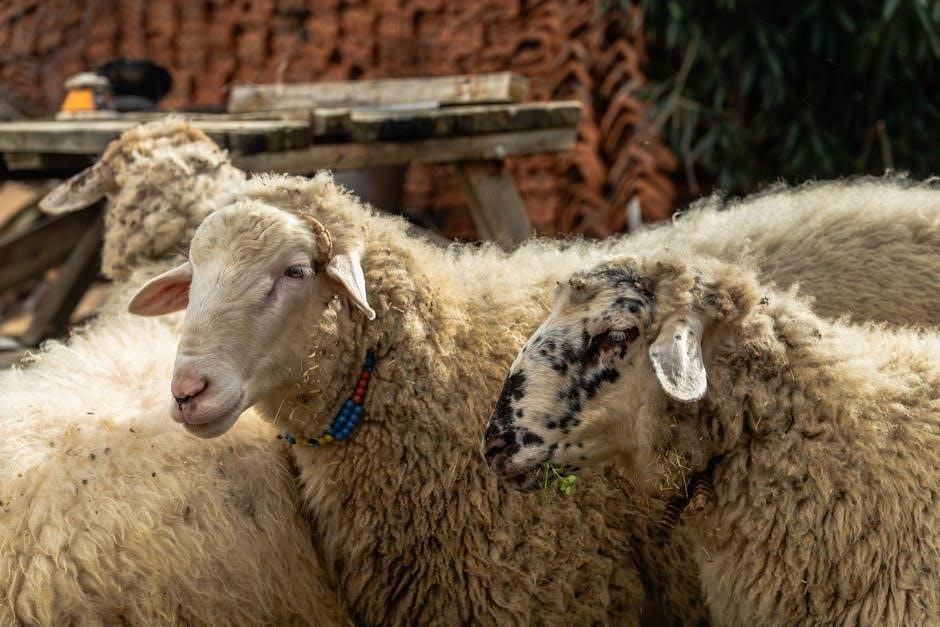
Character Analysis
Detailed explorations of key figures – Old Major, Napoleon, Snowball, and Boxer – reveal their motivations and roles in the farm’s tragic trajectory․
These analyses illuminate how each character embodies specific political archetypes and contributes to the novel’s allegorical meaning․
XII․ Old Major: The Ideological Founder
Old Major, a prize-winning boar, serves as the catalyst for the rebellion on Animal Farm․ His stirring speech, delivered before the animals, articulates a vision of a society free from human oppression, laying the groundwork for Animalism․
He represents Karl Marx and Vladimir Lenin, the ideological forefathers of communism, inspiring the animals with his critique of human exploitation and his dream of equality․ Major’s teachings center on the inherent evils of humankind and the potential for animal liberation․
Though he dies shortly after initiating the revolutionary fervor, his ideas permeate the farm’s early principles․ The core tenets of Animalism – that all animals are equal and that humans are the enemy – originate from his philosophical framework․
His influence is profound, even in his absence, as his song, “Beasts of England,” becomes the anthem of the revolution, embodying the animals’ hopes for a better future․ Major’s role is crucial in establishing the initial ideals that the other animals strive to achieve, though these ideals are ultimately corrupted․
XIII․ Napoleon: The Tyrannical Leader
Napoleon, a Berkshire boar, emerges as the ruthless and manipulative leader of Animal Farm following Old Major’s death․ He systematically consolidates power, initially through a strategic alliance with Snowball, before betraying and exiling his rival․
Representing Joseph Stalin, Napoleon embodies the dangers of unchecked authority and the corruption of revolutionary ideals․ He utilizes propaganda, intimidation, and violence – enforced by his loyal guard of dogs – to maintain control over the farm․
Napoleon’s leadership is characterized by self-serving decisions, prioritizing his own comfort and power over the welfare of the other animals․ He exploits Boxer’s unwavering loyalty and manipulates Squealer to distort the truth and rewrite history․
His actions demonstrate a complete disregard for the original principles of Animalism, transforming the farm into a totalitarian regime mirroring the human oppression they initially sought to overthrow․ Ultimately, Napoleon’s rule signifies the failure of the revolution and the cyclical nature of power dynamics․
XIV․ Snowball: The Idealistic Strategist
Snowball, a bright and energetic boar, stands in stark contrast to Napoleon, representing Leon Trotsky in Orwell’s allegorical narrative․ He is a passionate advocate for the revolution and dedicates himself to improving life for all animals on the farm․

Known for his intelligence and strategic thinking, Snowball develops plans for the windmill, a project intended to modernize the farm and alleviate the animals’ labor․ He champions education and proposes various improvements to enhance their collective well-being․
However, Snowball’s idealism and commitment to genuine equality ultimately lead to his downfall․ Napoleon, driven by ambition, orchestrates his expulsion from Animal Farm, falsely portraying him as a traitor and saboteur․
Snowball’s absence allows Napoleon to seize complete control, and he becomes a convenient scapegoat for all the farm’s misfortunes․ Despite his exile, Snowball embodies the original revolutionary spirit and the potential for a truly egalitarian society․
XV․ Boxer: The Loyal Worker
Boxer, the steadfast and immensely strong carthorse, embodies the working class and their unwavering dedication․ He is characterized by his immense physical strength, tireless work ethic, and unwavering loyalty to Animal Farm and its principles․
His personal motto, “I will work harder,” reflects his relentless commitment, even in the face of hardship and dwindling rations․ Boxer represents the proletariat, exploited for their labor and blindly devoted to the revolution’s ideals․
Despite his strength, Boxer is not particularly intelligent and readily believes the propaganda disseminated by the pigs, particularly Squealer․ This naiveté makes him susceptible to manipulation and ultimately contributes to his tragic fate․
Boxer’s unwavering faith and tireless efforts are exploited by Napoleon, who prioritizes his own power over the well-being of the animals․ His eventual sale to the knacker symbolizes the betrayal of the working class and the corruption of revolutionary ideals․

Themes & Symbolism
Orwell masterfully employs allegory, exploring themes of totalitarianism, political corruption, and social inequality․ Symbolism is prevalent, representing revolution’s failure and manipulation’s power․
Propaganda’s impact and the dangers of unchecked authority are central to understanding the novel’s enduring message․
XVI․ Totalitarianism & Political Corruption
Animal Farm serves as a potent allegory for the rise of Stalinist Russia, vividly illustrating the insidious nature of totalitarian regimes․ The pigs, led by Napoleon, gradually seize control, mirroring the Bolsheviks’ ascent to power․ Initially promising equality and liberation, the new leadership swiftly establishes a brutal dictatorship, suppressing dissent and exploiting the other animals․
Political corruption is rampant throughout the narrative․ The Seven Commandments, intended as guiding principles, are subtly altered to justify the pigs’ increasingly self-serving actions․ Squealer’s masterful manipulation of language and propaganda effectively controls the narrative, convincing the animals to accept blatant lies and injustices․ The windmill project, initially envisioned as a collective benefit, becomes a tool for Napoleon’s consolidation of power and personal gain․
The novel demonstrates how easily revolutionary ideals can be perverted, and how power corrupts even those with initially noble intentions․ The animals’ blind faith and lack of critical thinking allow the pigs to maintain their oppressive rule, highlighting the dangers of unchecked authority and the importance of vigilance in safeguarding freedom․ Ultimately, Animal Farm is a cautionary tale about the fragility of democracy and the ever-present threat of tyranny․
XVII․ Social Stratification & Inequality

A central theme in Animal Farm is the emergence of stark social stratification, directly contradicting the initial promise of equality․ The pigs, through their intelligence and manipulative tactics, quickly establish themselves as the ruling class, enjoying privileges denied to the other animals․ This hierarchy mirrors the class divisions prevalent in pre-revolutionary Russia and subsequent totalitarian societies․
Inequality manifests in various forms: access to food, comfortable housing, and leisure time․ While the pigs luxuriate in the farmhouse, consuming delicacies and sleeping in beds, the other animals endure grueling labor and meager rations․ Boxer, representing the working class, embodies unwavering dedication but receives little reward for his efforts, ultimately being exploited until his demise․
The novel highlights how power imbalances can be perpetuated through propaganda and control of information․ Squealer’s constant revisions of history and justification of the pigs’ actions serve to maintain the existing social order․ The animals’ inability to challenge the pigs’ authority, coupled with their limited education, reinforces their subordinate position, demonstrating the dangers of unchecked power and the importance of social justice․
XVIII․ Propaganda & Manipulation
Propaganda is a cornerstone of the pigs’ control in Animal Farm, expertly wielded to manipulate the other animals’ perceptions and maintain their power․ Squealer, the master propagandist, skillfully distorts facts, rewrites history, and employs emotional appeals to justify the pigs’ actions and suppress dissent․
Manipulation takes many forms, including the alteration of the Seven Commandments, the glorification of Napoleon, and the demonization of Snowball․ Squealer’s persuasive rhetoric convinces the animals to accept increasingly unfavorable conditions, framing them as necessary sacrifices for the greater good of Animal Farm․
The constant repetition of slogans and the suppression of alternative viewpoints create an environment of intellectual conformity․ The animals’ limited education and critical thinking skills make them particularly vulnerable to manipulation, highlighting the importance of independent thought and access to accurate information․ This mirrors real-world examples of totalitarian regimes utilizing propaganda to control their populations, demonstrating Orwell’s enduring relevance․

XIX․ The Failure of Revolution

The initial promise of Animal Farm – a utopian society built on equality and freedom – tragically collapses into a brutal dictatorship mirroring the human oppression it sought to overthrow․ The revolution’s failure stems from the pigs’ gradual consolidation of power, their exploitation of the other animals, and their abandonment of the original principles of Animalism․
The corruption of ideals is central to this failure․ The Seven Commandments, initially intended as guiding principles, are subtly altered to justify the pigs’ privileges and actions․ The animals’ lack of education and critical thinking allows the pigs to manipulate them into accepting increasingly unjust conditions․
Ultimately, the farm’s transformation into a totalitarian state demonstrates the fragility of revolutionary movements and the dangers of unchecked power․ Orwell’s allegory serves as a cautionary tale, highlighting the importance of vigilance, intellectual honesty, and a commitment to genuine equality in any pursuit of social change․ The ending underscores a cynical view of revolution’s potential․